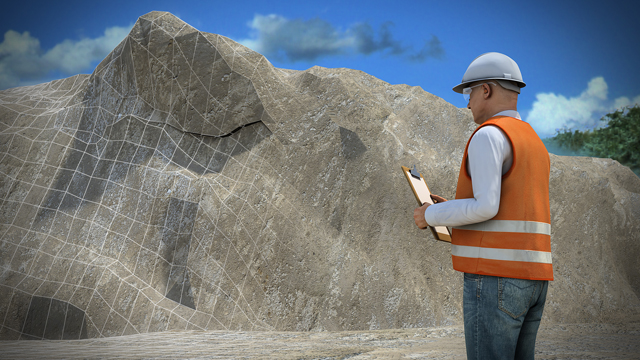
A ground control inspection is a documented, in-person examination of on-site terrain formations and locations that slope into working areas at a mine. As part of an ongoing ground control plan, these inspections help establish and reinforce prudent engineering design, reduce ground instability, and contribute to safer working conditions for miners and others on-site. This course covers the definition and purpose of a ground control inspection and includes examples of ground instability hazards, the definition of “angle of repose,” descriptions and examples of slope failures, and common ground control corrective actions.
• State the definition and purpose of a ground control inspection
• List two primary hazards of ground instability
• Define the term "angle of repose"
• Identify and describe slope failure signs, types, and causes
• List components of an effective ground control plan
• List best practices for the preparation and performance of a ground control inspection for highwalls, benches, the pit, and spoil banks
• Describe preventive measures to reduce ground instability hazards
• List common ground control hazard corrective actions
• List best practices for inspection and corrective action reports
Industrial Libraries
- Convergence Industrial Maintenance Library
- Convergence MSHA Library
- Industrial Premium