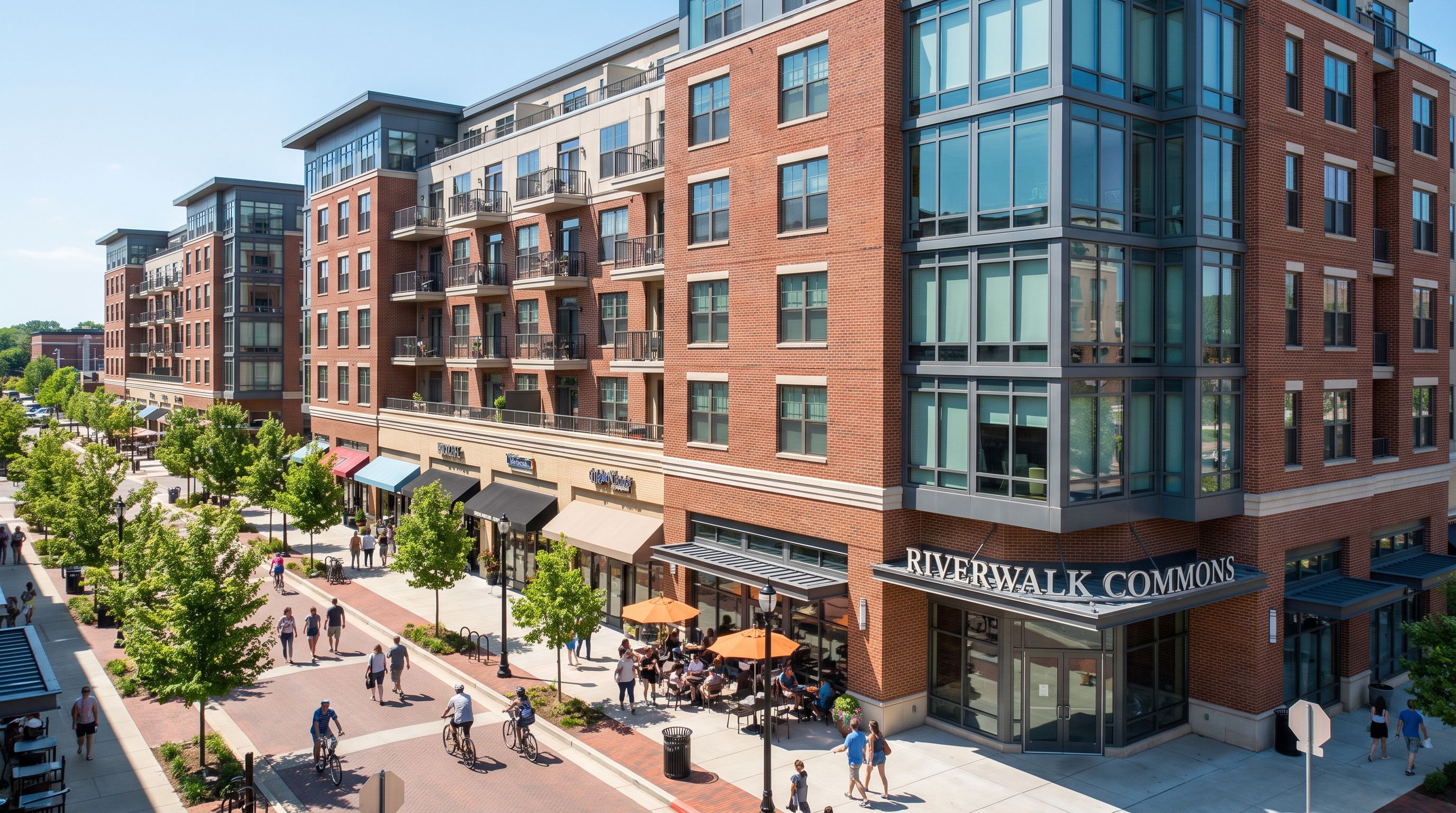
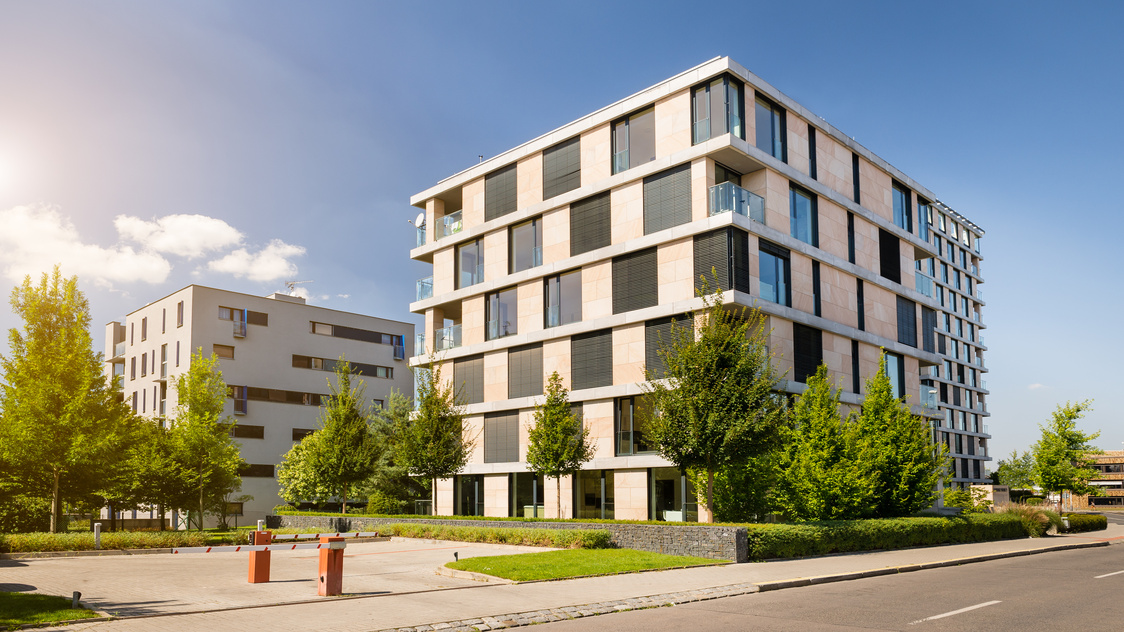
While most of human history saw people living above their shops and walking to meet daily needs, the post-World War II era of car-dependent suburban sprawl is now giving way to a deliberate return to walkable, mixed-use communities that generate dramatically more tax revenue than traditional development. This course explores the fundamental principles of successful mixed-use development — from pedestrian orientation and connectivity to authentic placemaking and shared parking strategies — through real-world case studies spanning from small-town Georgia to downtown Miami. Whether you're a planner, designer, developer, or public official, you'll learn to distinguish between vertical and horizontal mixed-use applications, articulate the economic benefits to stakeholders, and evaluate what makes these developments successful in creating vibrant, sustainable communities.